What We Do
From a snapped spring to a full door replacement - one local crew, upfront pricing.
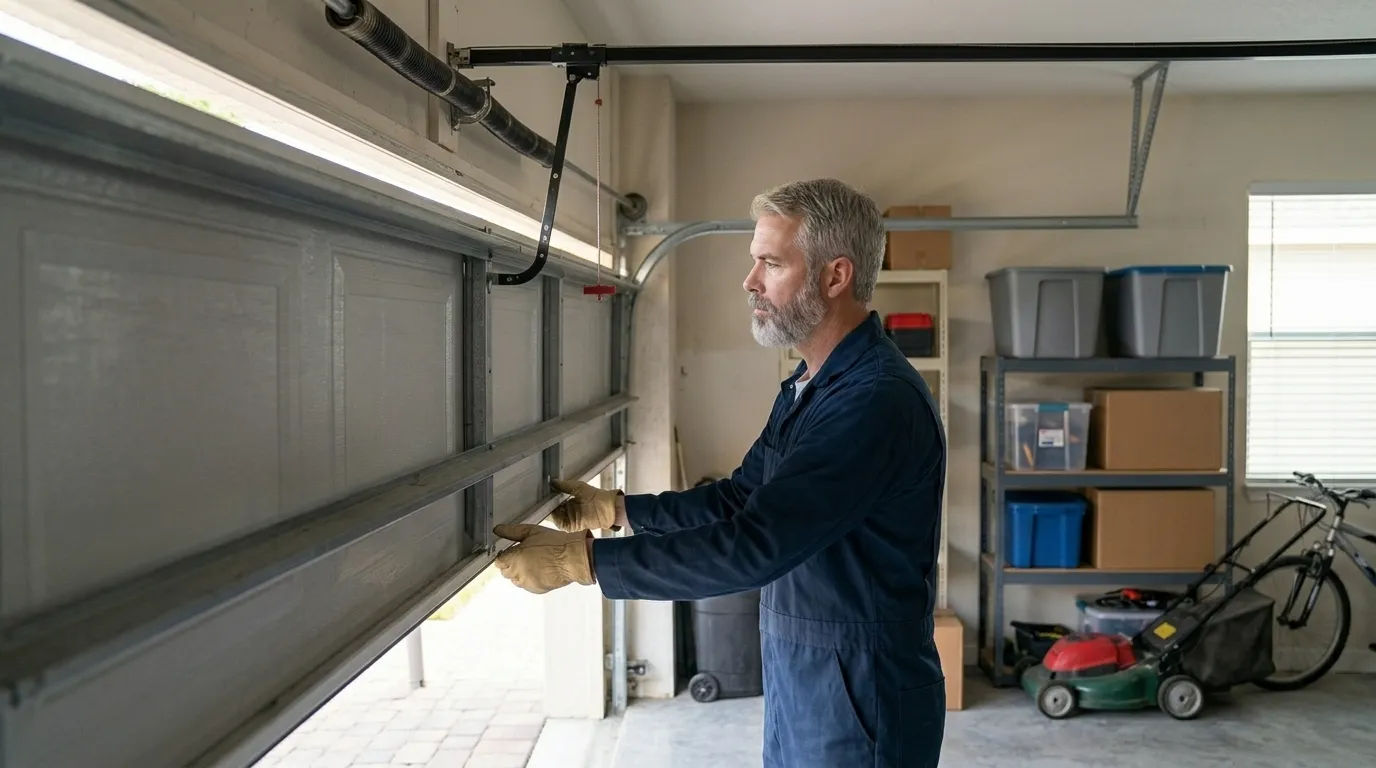
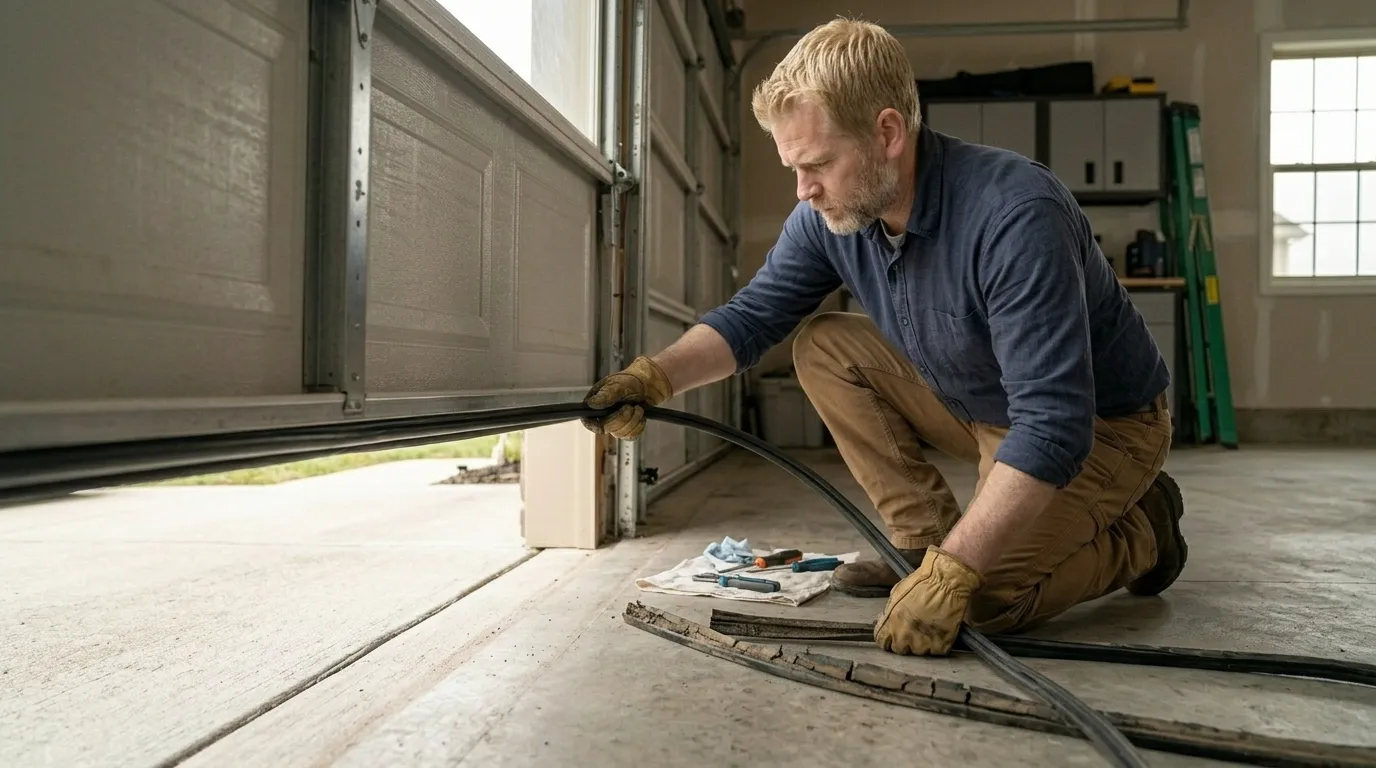
Off-track doors, snapped cables, bent panels and grinding openers - diagnosed and fixed.
Learn more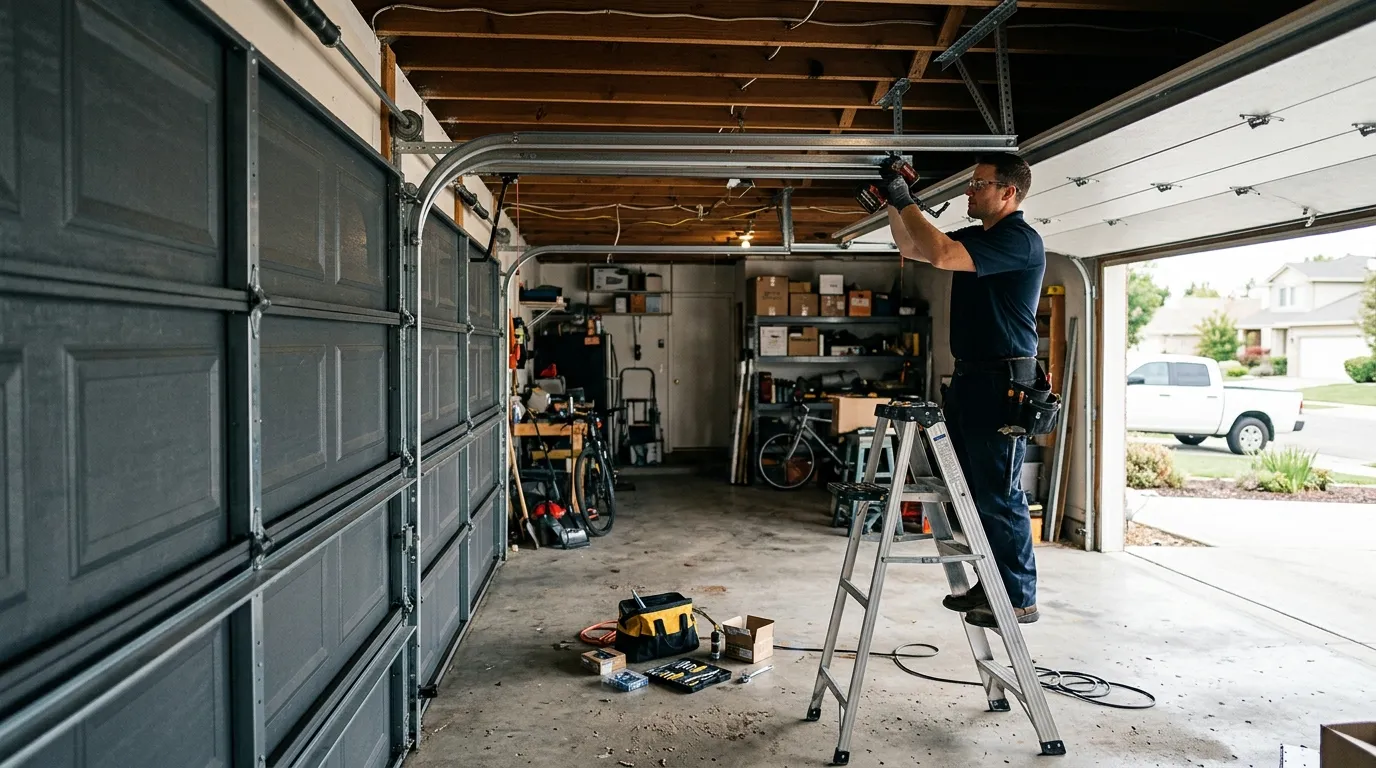
Insulated steel and composite doors sized to your opening and the local heat load.
Learn more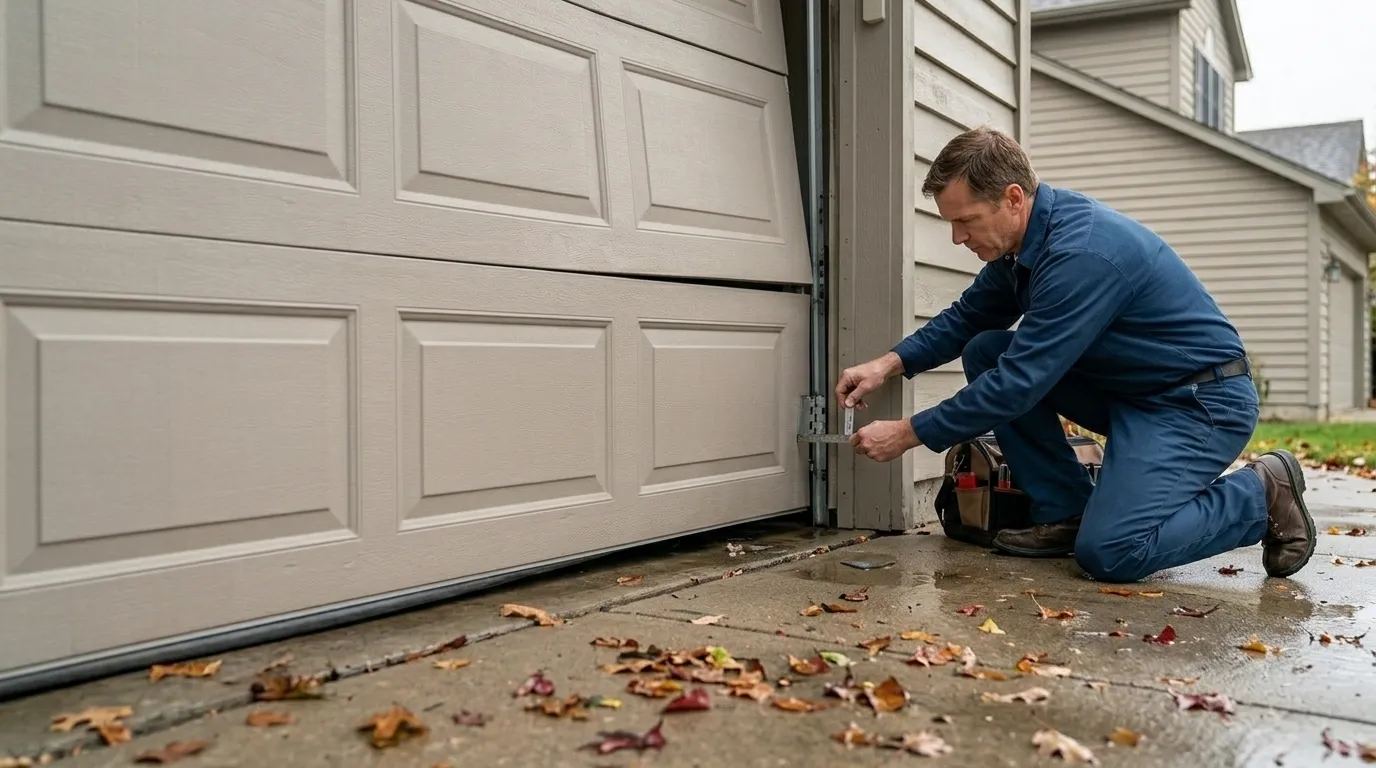
Spring tension, roller and track service that keeps an older door running quiet.
Learn moreFast Response
A stuck or broken garage door can't wait. Call before the afternoon and we can usually be out the same day - most repairs are diagnosed and finished on the first visit, with an upfront price before any work starts.
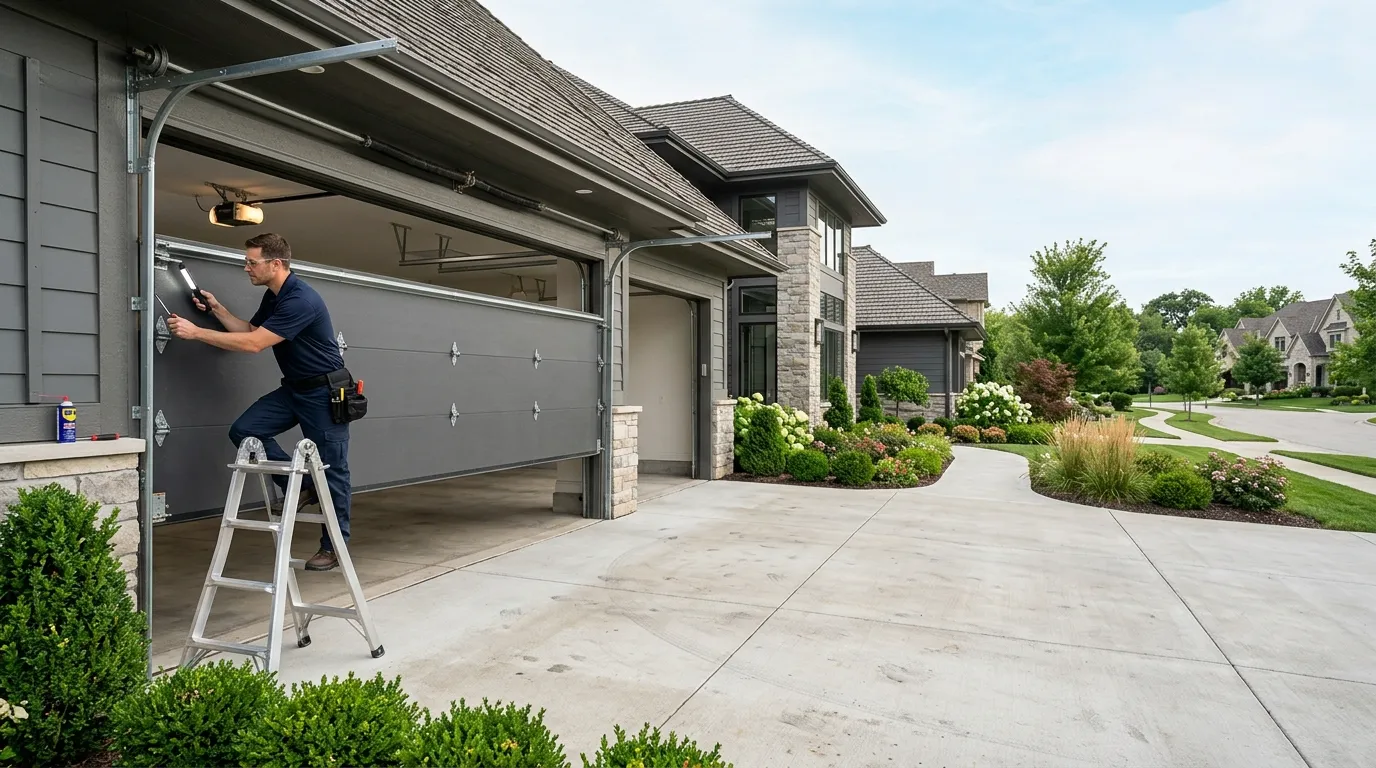 Same-day service
Why Crestview Calls Us
How It Works
Call or request a quote and describe what the door is doing - noise, off-track, won't open.
A tech inspects the springs, tracks, opener and panels and gives you a written price first.
Most repairs are done on the same visit; installs are scheduled around you.
Our Work
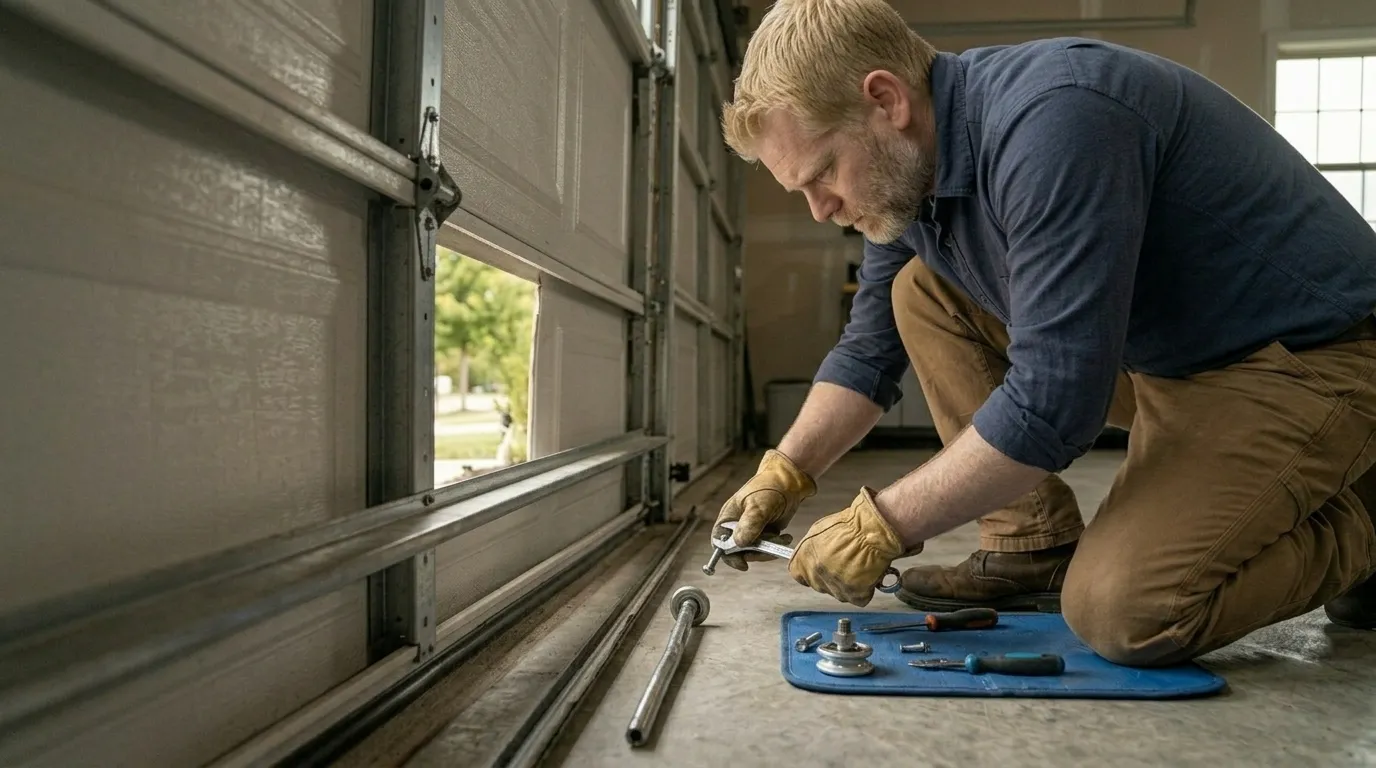
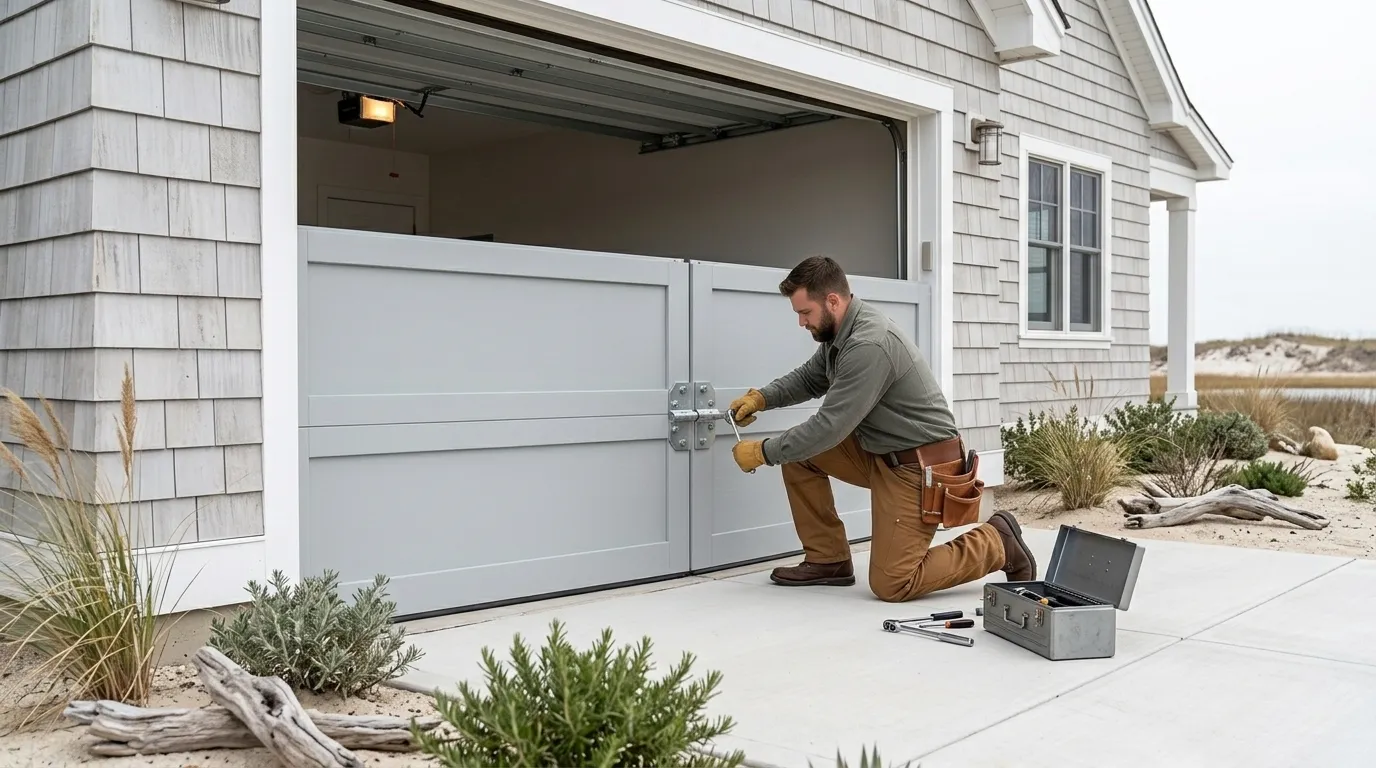
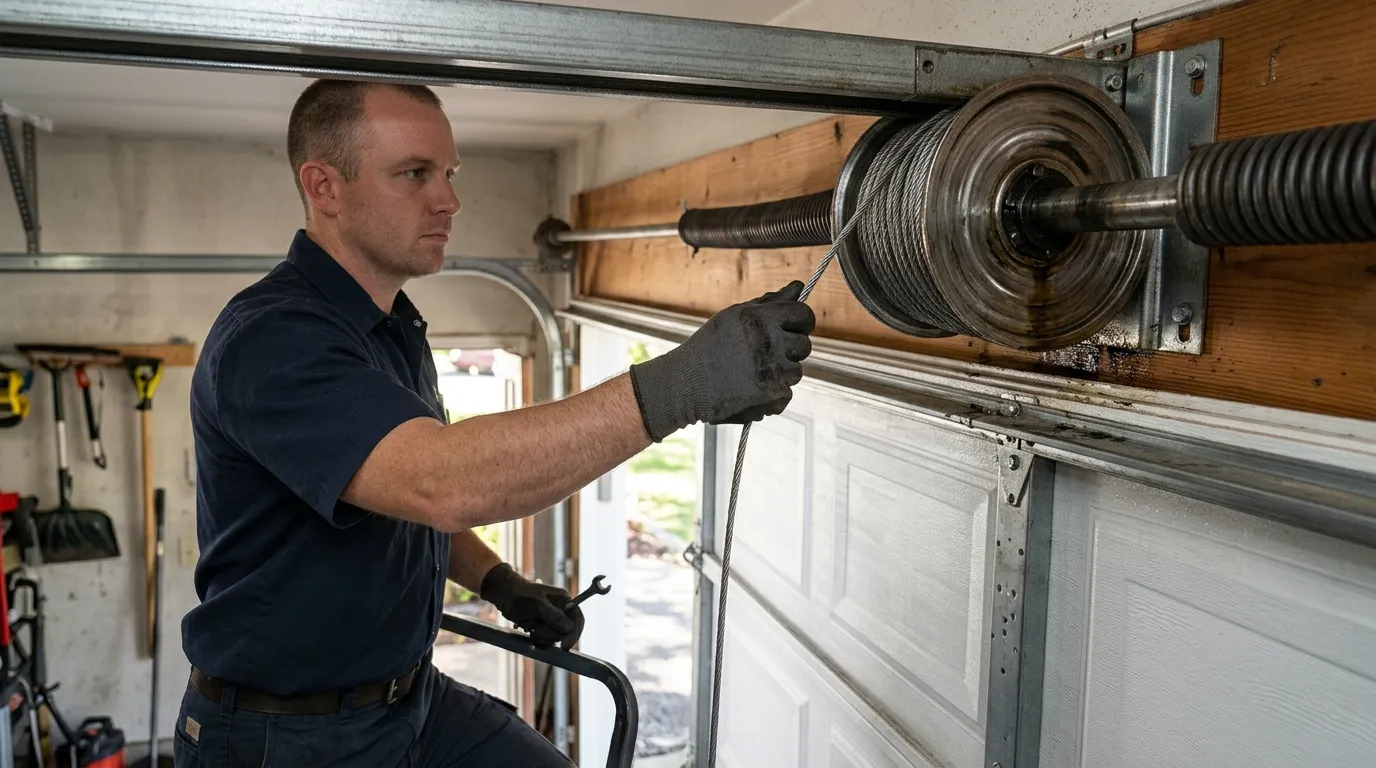
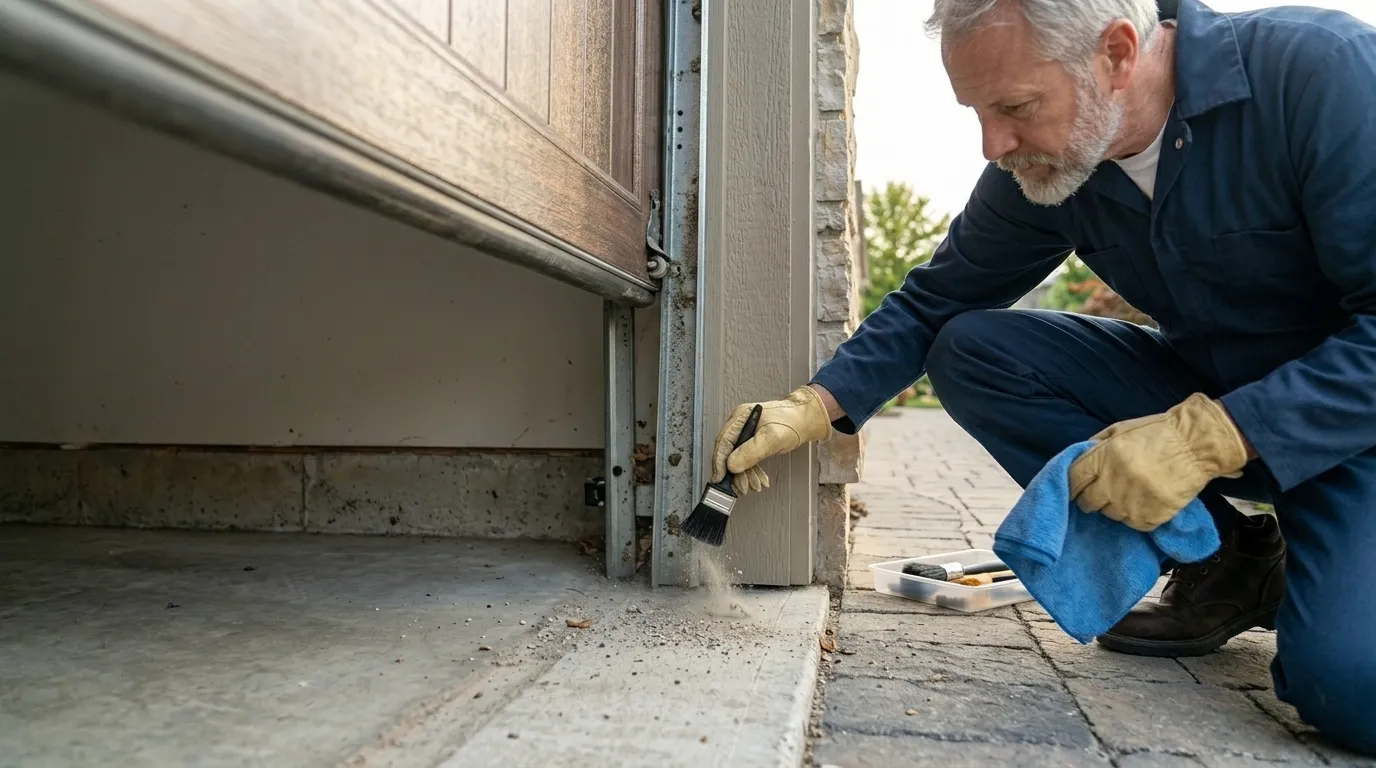
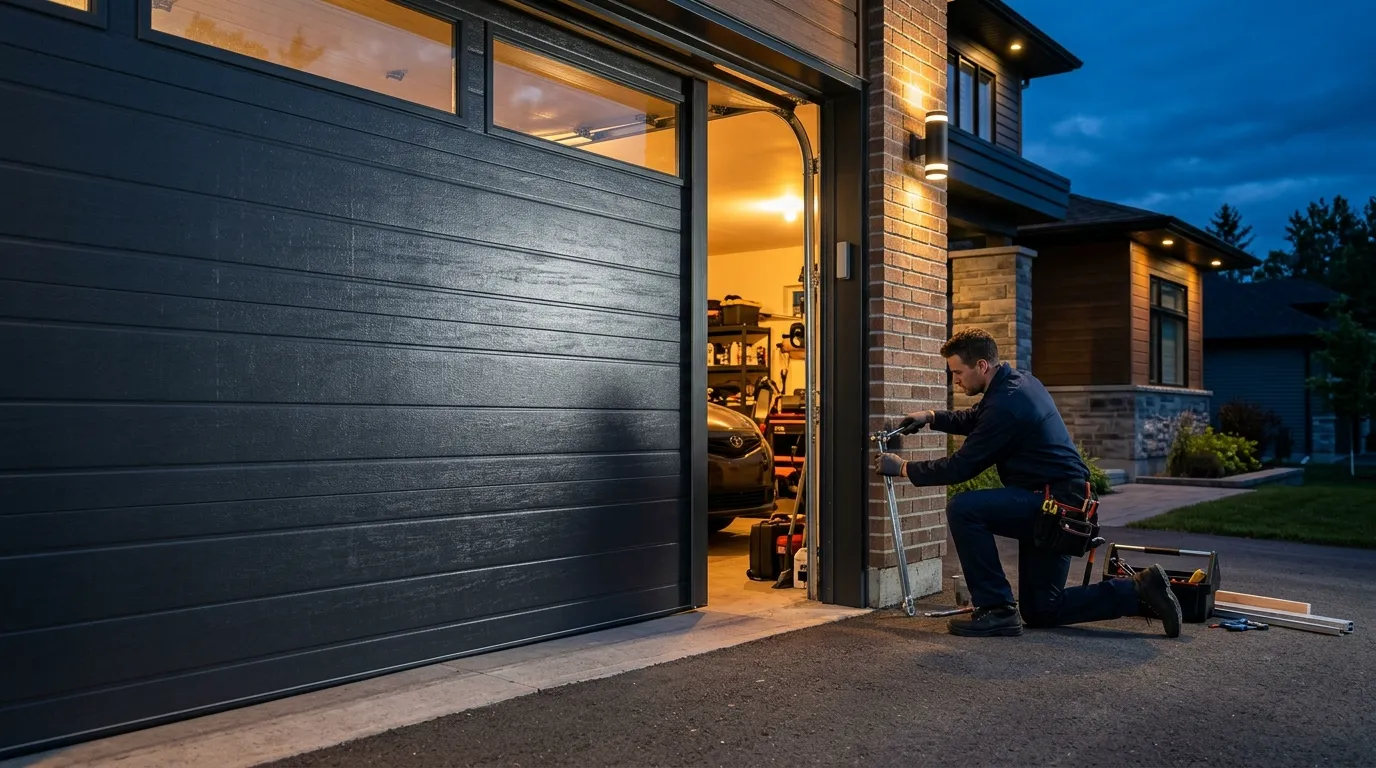
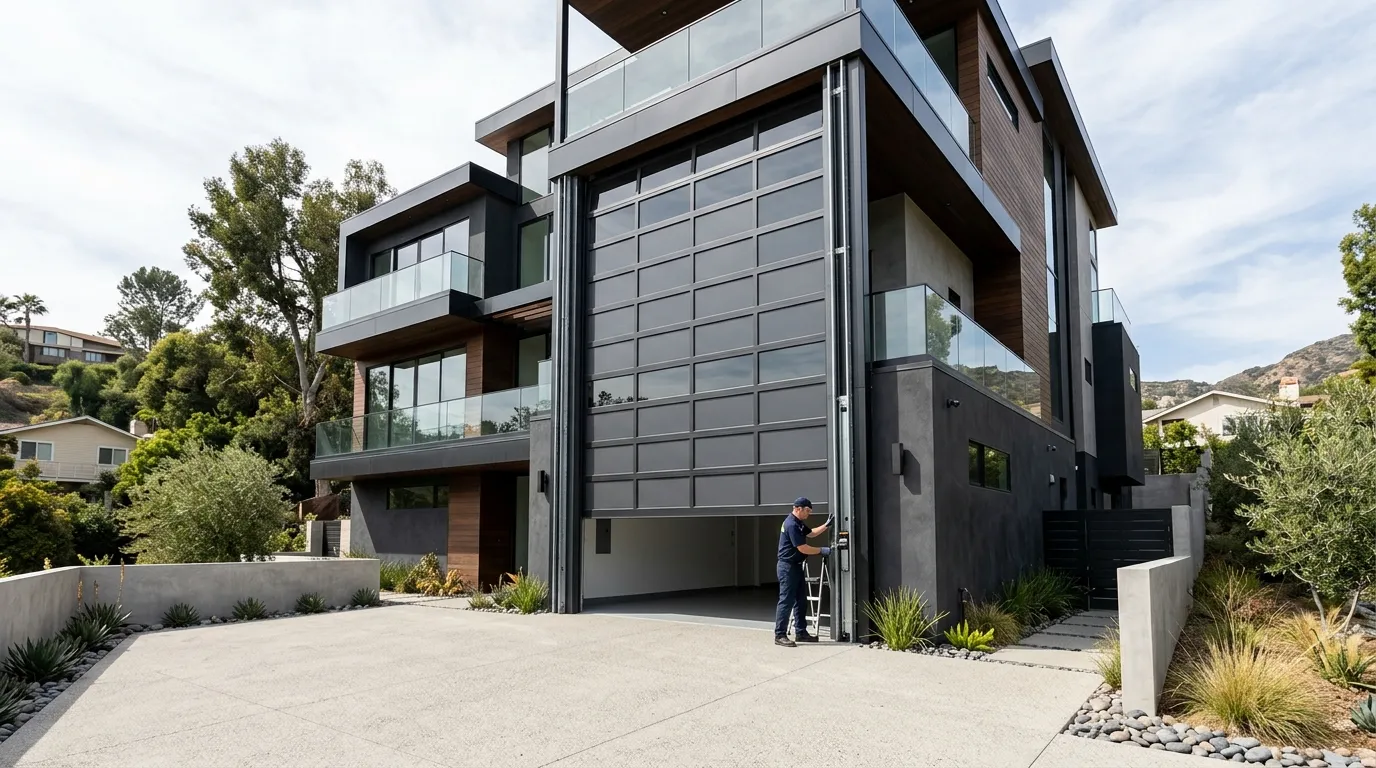
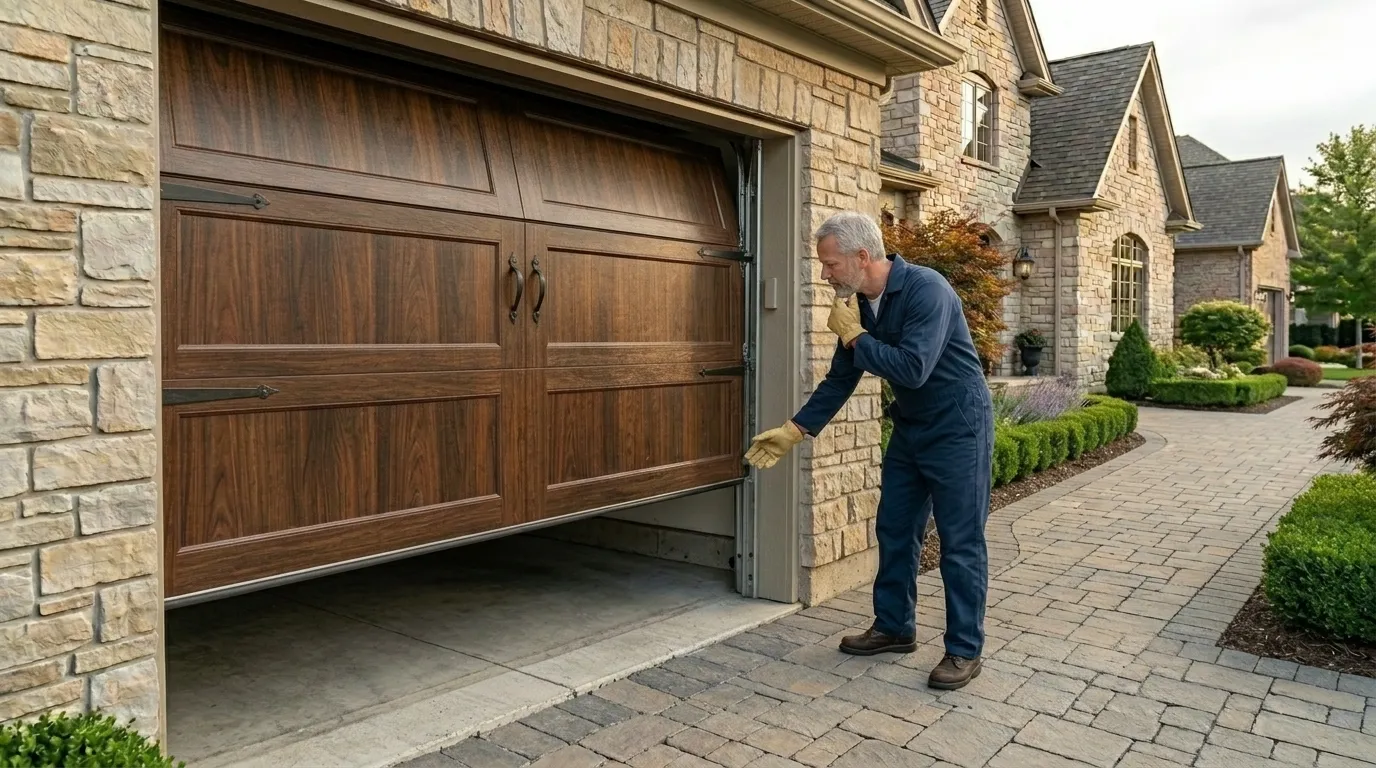
A look at doors, openers and springs we've installed and serviced across the Crestview metro.
Where We Work
Neighborhoods across the city and suburbs around the metro. Not sure if we reach you? Just ask.
Local Expertise
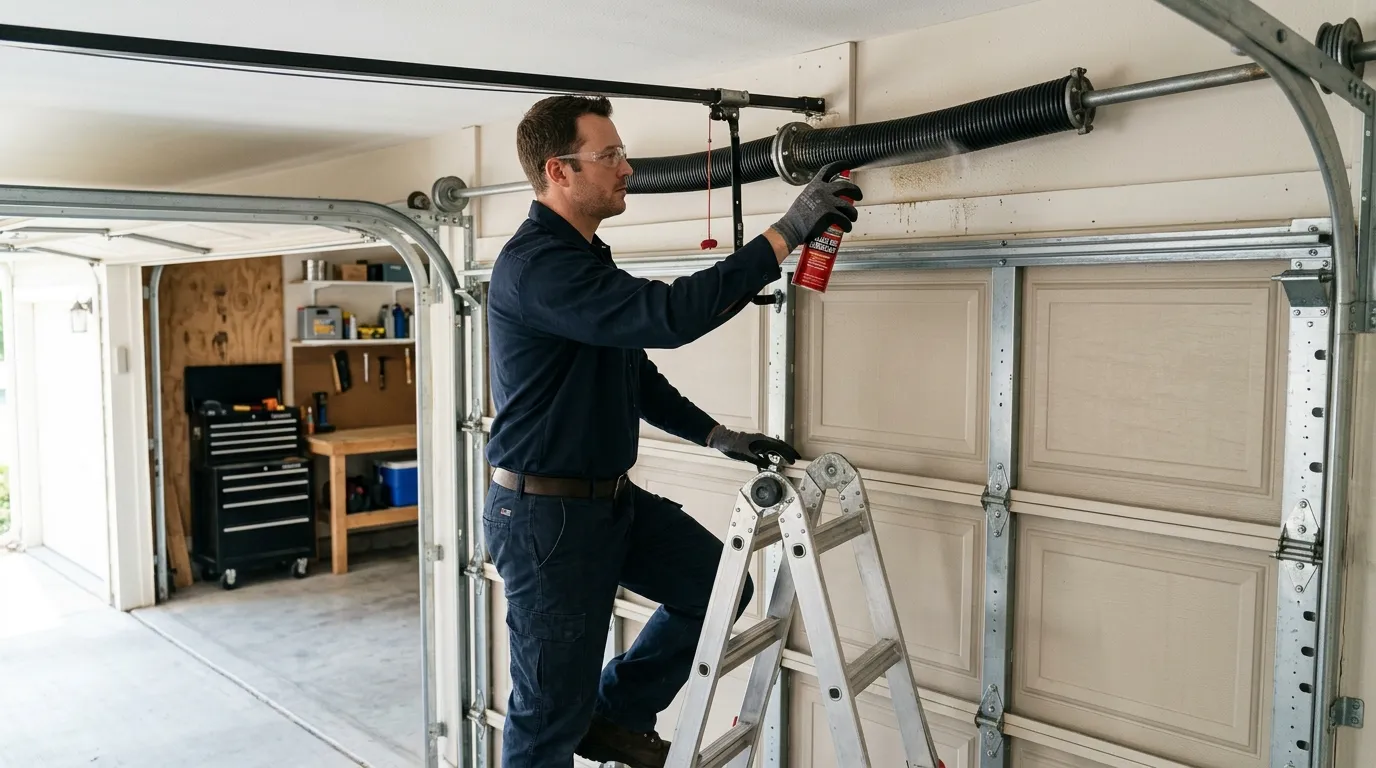
Most of the calls we run in Crestview come from the same era of house. F1 puts the bulk of the housing stock going up between 1975 and 1985, median build year around 1980, which means a lot of the original garage door hardware out there is pushing forty-plus years old. That's extension springs that have cycled tens of thousands of times, steel tracks that have gone slightly out of plumb as the slab settled, and openers from a couple of generations back with chain drives and no battery backup. Across the two main pockets of housing we see most, the pattern repeats: 1980s and 90s stock, single or double door, torsion or extension setups depending on when the house was built or last upgraded. We fix broken springs, worn rollers, bent track, cables that have jumped the drum, and openers that grind, stall, or won't respond to the remote at all. We also replace weatherstripping and bottom seals more often here than you'd guess, since a mild climate with occasional freeze snaps still lets moisture and temperature swings work on old rubber and wood trim year after year.
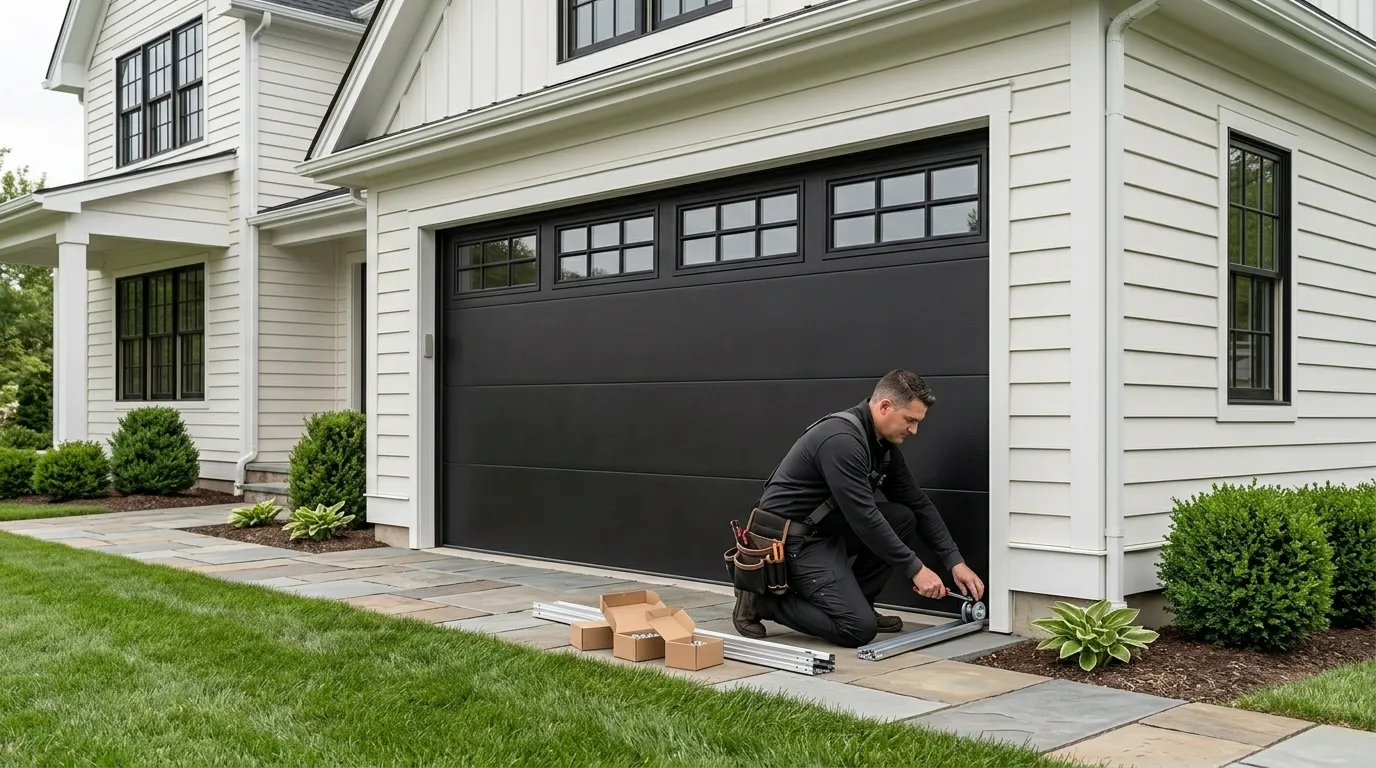
A door built for a house from 1980 isn't sized or hung the same way as one built last year. Older single-car openings in this area often run narrower, and the header framing wasn't always built with insulation or modern wind load in mind. When we quote a repair versus a full swap, we're accounting for what's actually behind that door opening in a house from this period, not guessing. With roughly 1,176 owner-occupied houses in a service area of about 1,910 households, a good share of what we work on is owner-maintained rather than landlord-managed, which changes the conversation - owners tend to want to know what's actually wrong and whether it's worth fixing, not just the fastest patch. The two named pockets of 1980s-90s stock mean we see repeat patterns: the same spring size failing around the same age, the same opener models losing their circuit boards. That's useful for us and it should be useful for you - if your neighbor's door failed last year from the same builder-grade hardware, yours is probably next.
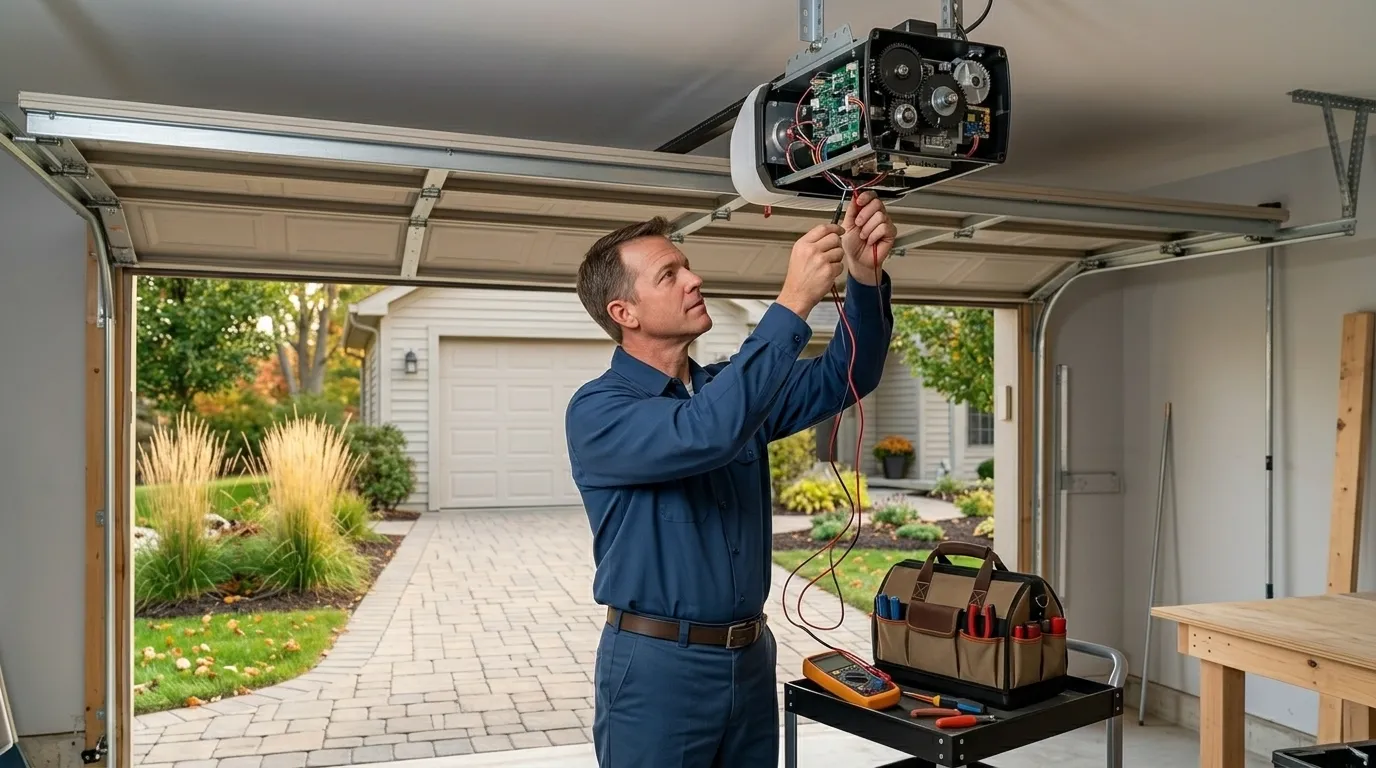
We don't have a posted price sheet here, and we're not going to make one up. What we can tell you is how we think about a job. A median household income of $71,736 in this area tells us most of the doors we're called to aren't going to get a top-shelf insulated steel replacement just because the old one squeaks - people want the real problem fixed at a fair cost, and they want to know if a cheaper fix will hold. A torsion spring swap is a different job and a different bill than an opener replacement, and both are different from a full door and track replacement on a house from the 1975-1985 build wave where the framing itself may need attention. We price the job in front of us, not a menu. One honest limitation: we don't stock every opener circuit board on the truck, especially for older or discontinued models, so a same-visit fix on a dead 1980s-era opener sometimes turns into an ordered part and a second trip.
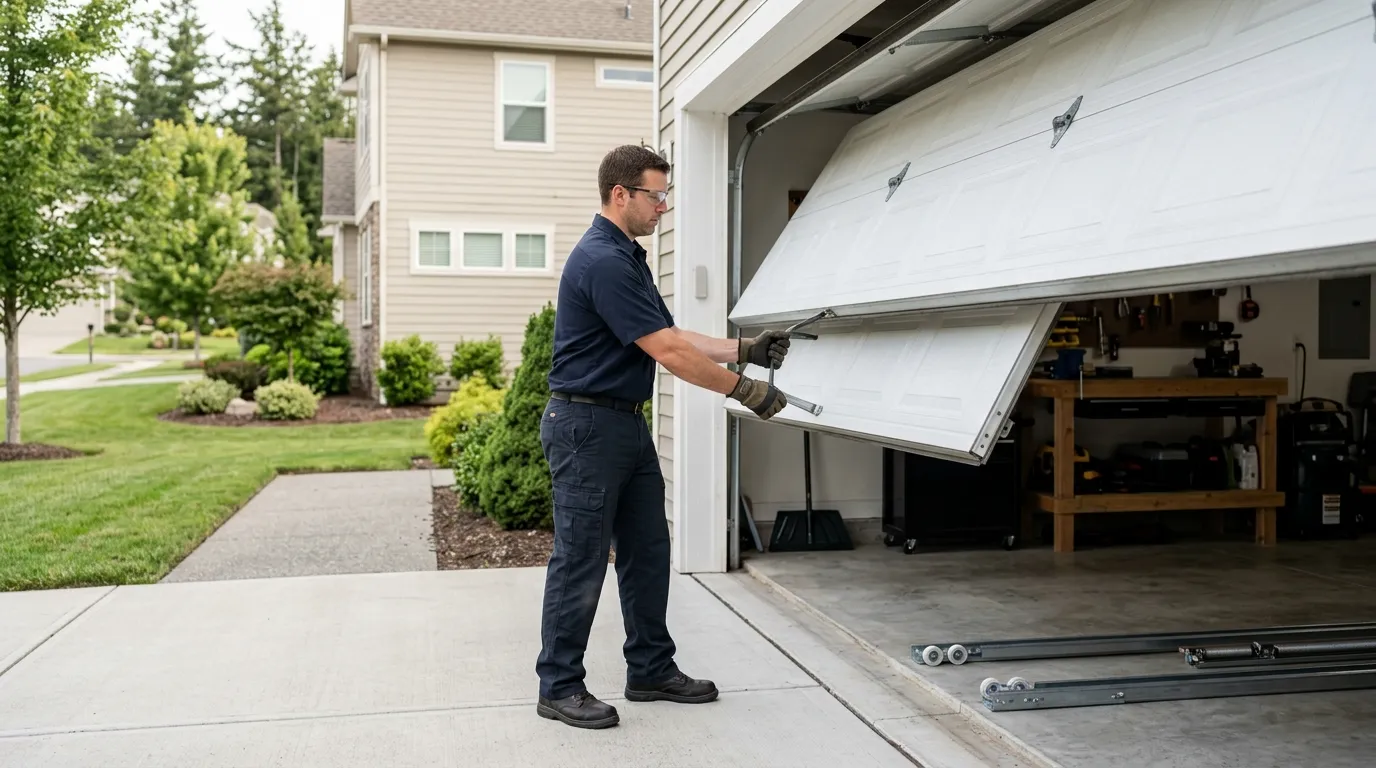
Not every door on a 1980-built house is worth saving. If the track is bent in more than one place, if the panels have rusted through at the bottom, or if you're replacing the second major component in under two years, you're paying to keep an old system alive instead of paying once for a new one. We'll tell you when we think that line has been crossed - it's not good business for us long-term to keep patching a door that's done, and it's not good for you either. On the other hand, a broken spring or a worn roller on an otherwise sound door from this era is almost always worth fixing rather than replacing the whole unit. The honest answer depends on the actual door in front of us, not the year on the house.
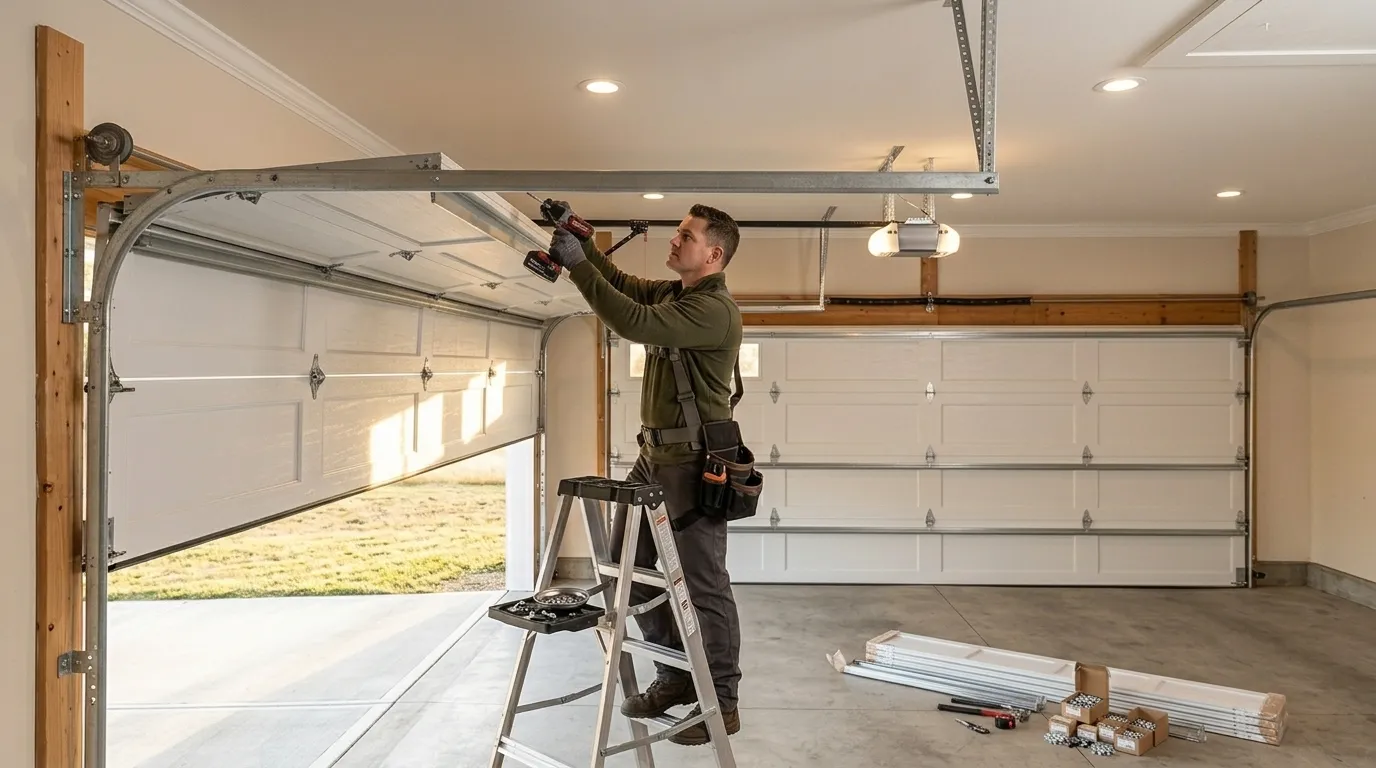
You call, you describe what the door is doing - won't open, opens partway and reverses, makes a bang before it fails, whatever it is - and we go from there. Because we work this same stretch of houses regularly, from the neighborhoods near the center of Crestview out toward Laurel Hill about 16 miles off and Valparaiso around 18 miles out, a lot of what you describe over the phone already narrows down the likely cause before we're on-site. We look at the door, tell you straight what's wrong and what the options are, and do the work if you want it done that day and the part's on the truck. If it's a part we don't carry, we say so and give you a real timeline instead of a vague one.
Good to Know
Torsion and extension springs are rated for a set number of cycles, usually somewhere around 10,000. On a house from the 1975-1985 build era, that spring has likely been replaced at least once already, or is original and overdue. If it's breaking again within a year or two, the spring size or type may be wrong for your door's weight.
Yes, we cover the surrounding area including out toward Laurel Hill, about 16 miles away, and Valparaiso, around 18 miles away. Call and tell us where you are and we'll let you know if it's a straightforward trip.
Usually yes, if it's still running. Parts for older chain-drive openers are getting harder to source, and newer units run quieter with better safety sensors. If yours still works fine, we'll say so rather than push a swap you don't need.
Our climate is mild with occasional freeze conditions rather than harsh winters, so it's less about extreme cold and more about steady wear on seals, weatherstripping, and metal fasteners over decades. That slow wear is a bigger factor here than any single storm.
Call now or request a free quote - same-day service on most repairs, upfront written pricing.